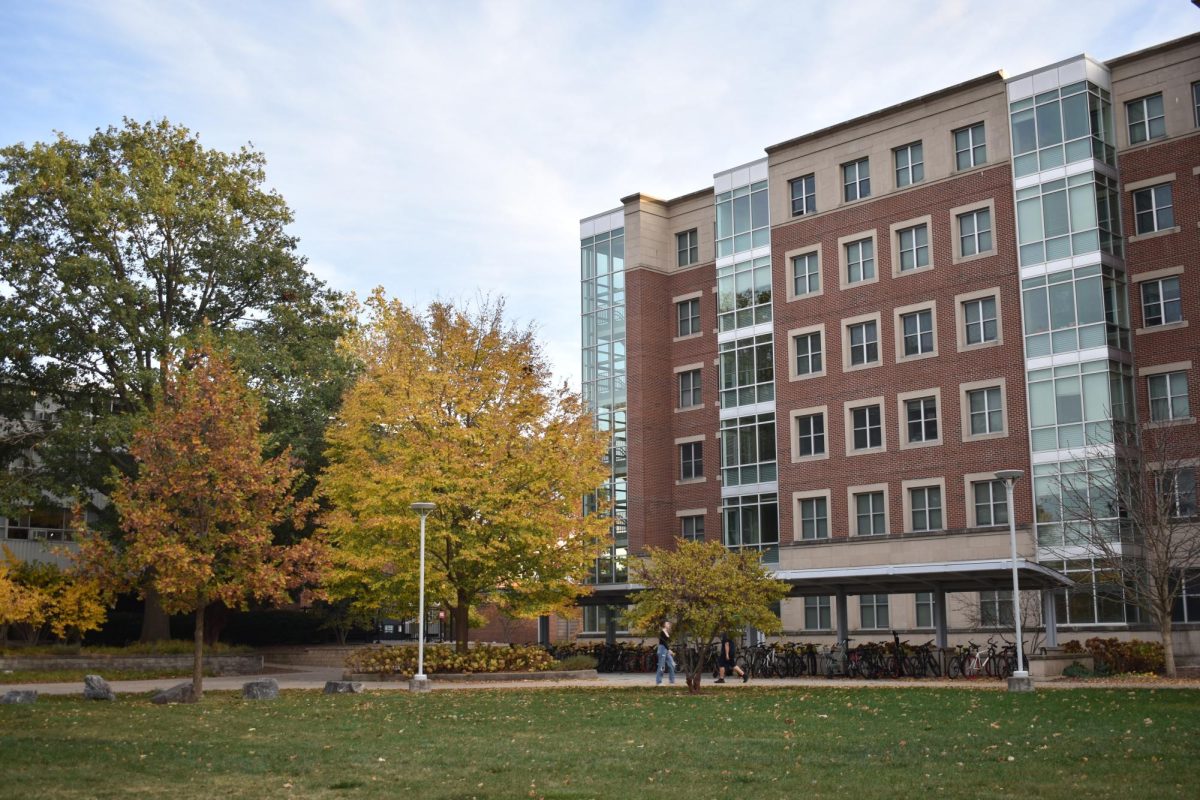
The process of moving into my house for my final year of college was pretty seamless. My friend’s three roommates were moving on, and he needed to find folks to live with, lest he give up a beautiful house — a regular changing of the guard.
Naturally, I jumped at the opportunity to live in a house I’d come to associate with good memories, and I brought some friends aboard.
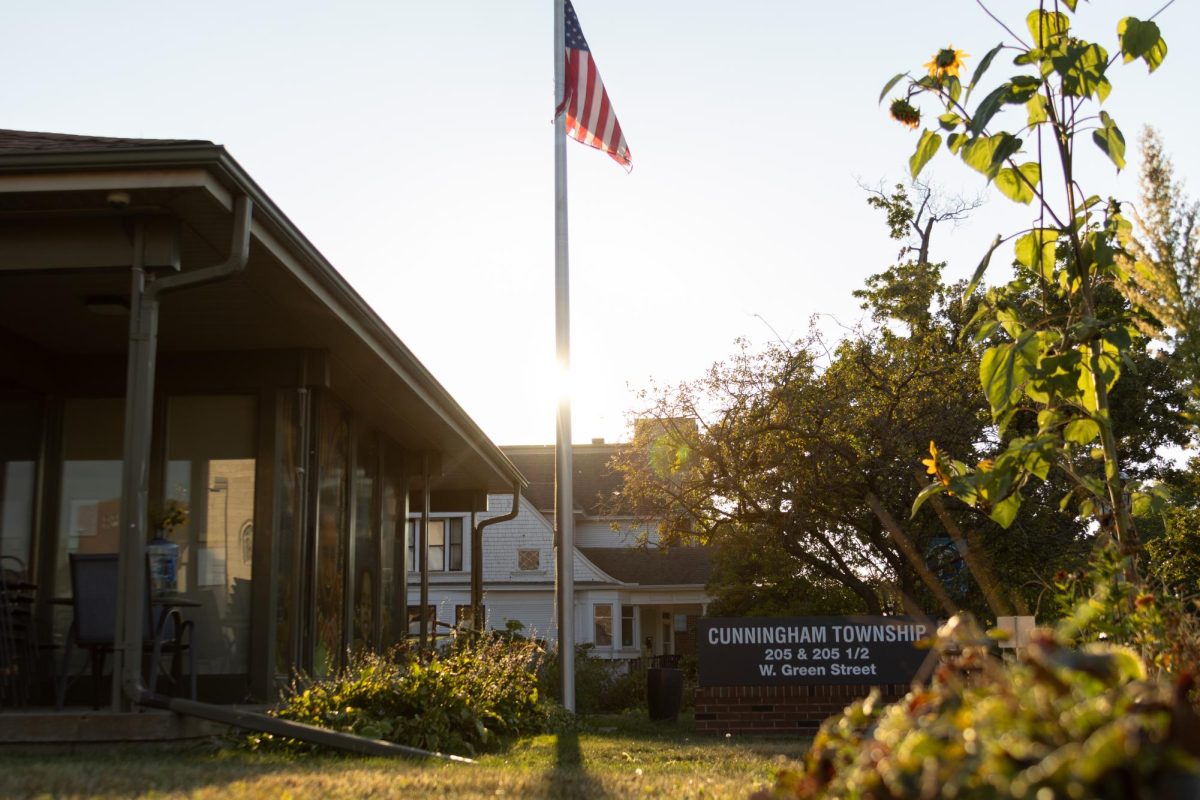
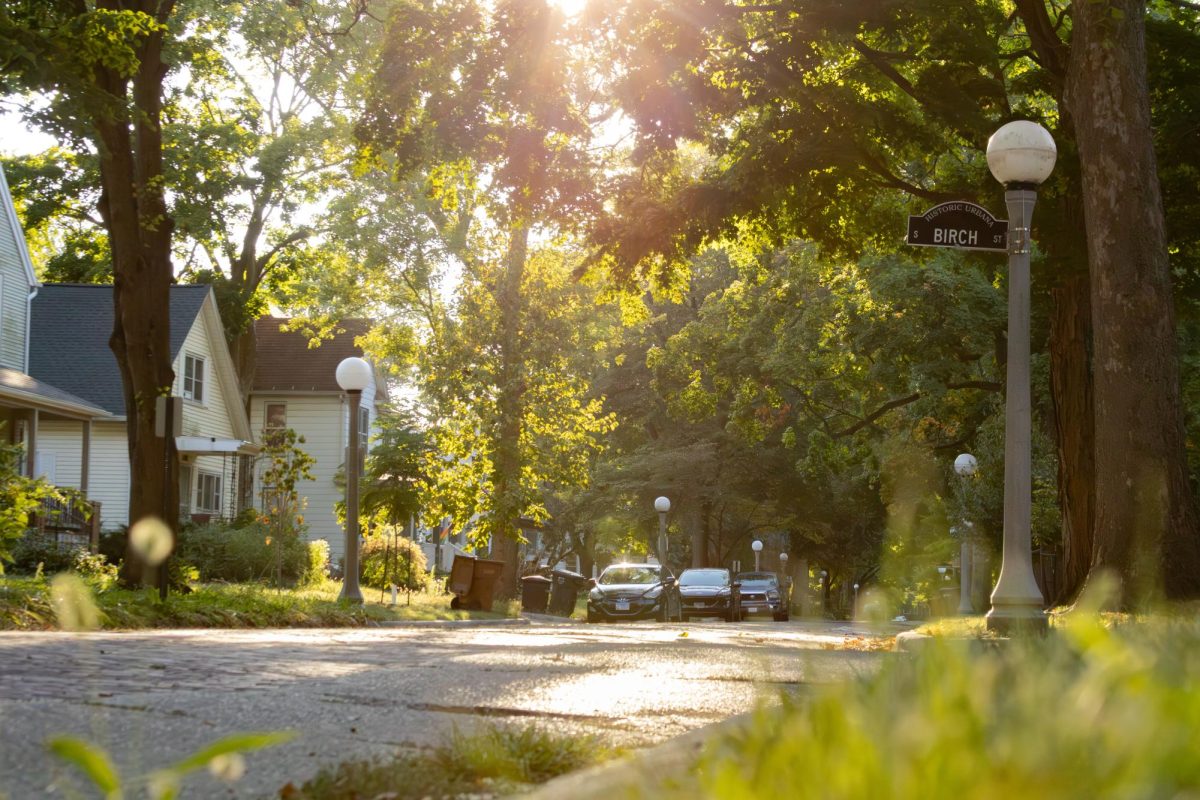
It’s a beautiful house, by the way. Gloriously situated in historic Urbana, I’ve been enjoying my east-facing windows and accompanying small army of plants that thrive despite me (and not because of me).
The location grants me easy access to Common Ground Food Co-op if I’m ever fiending for brie cheese. And my roommate has a vinyl record player on which I’ve been playing crooner classics like The Platters and The Fleetwoods because it just seems right. I say this to give you a taste of my recent domestic bliss.
The house has two spots to drink coffee and contemplate. There’s a nice woody back porch and a front porch with a swing.
Get The Daily Illini in your inbox!
From the front porch, I can see the family across the way, a household marked by children’s chatter.
They’re putting down roots, while I’ll be gone in less than a year. They want a quiet, brick-lined neighborhood to raise their children; my roommates and I want a place near campus where we can live cheaply and maybe make a little noise.
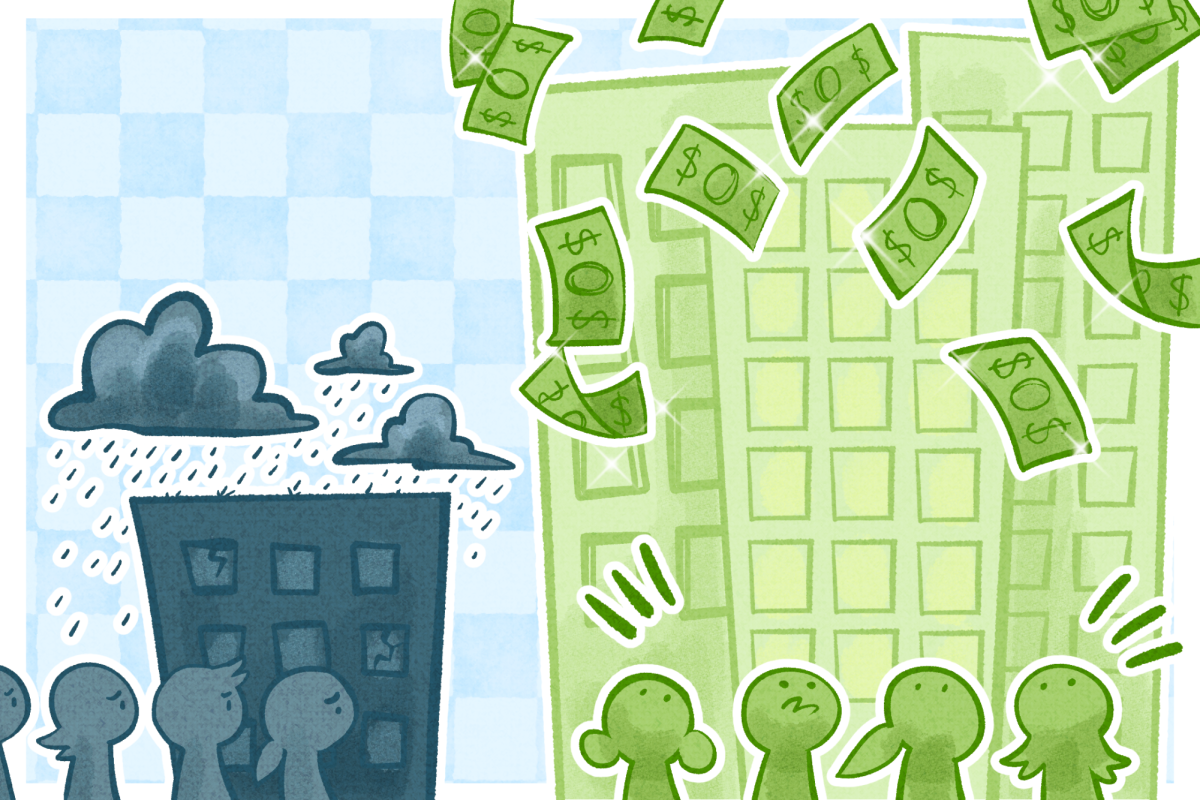
The clash practically writes itself: negative externalities. Two parties with different priorities sharing the same block — permanent residents investing for the long haul, students passing through.
On a first pass, one could easily dismiss this proximity as a standard market failure — a spatial mismatch. Economic theory usually assumes that students cluster with students and town residents live by town residents — so-called “self-sorting” behavior in urban economics — but this setup doesn’t quite fit that mold.
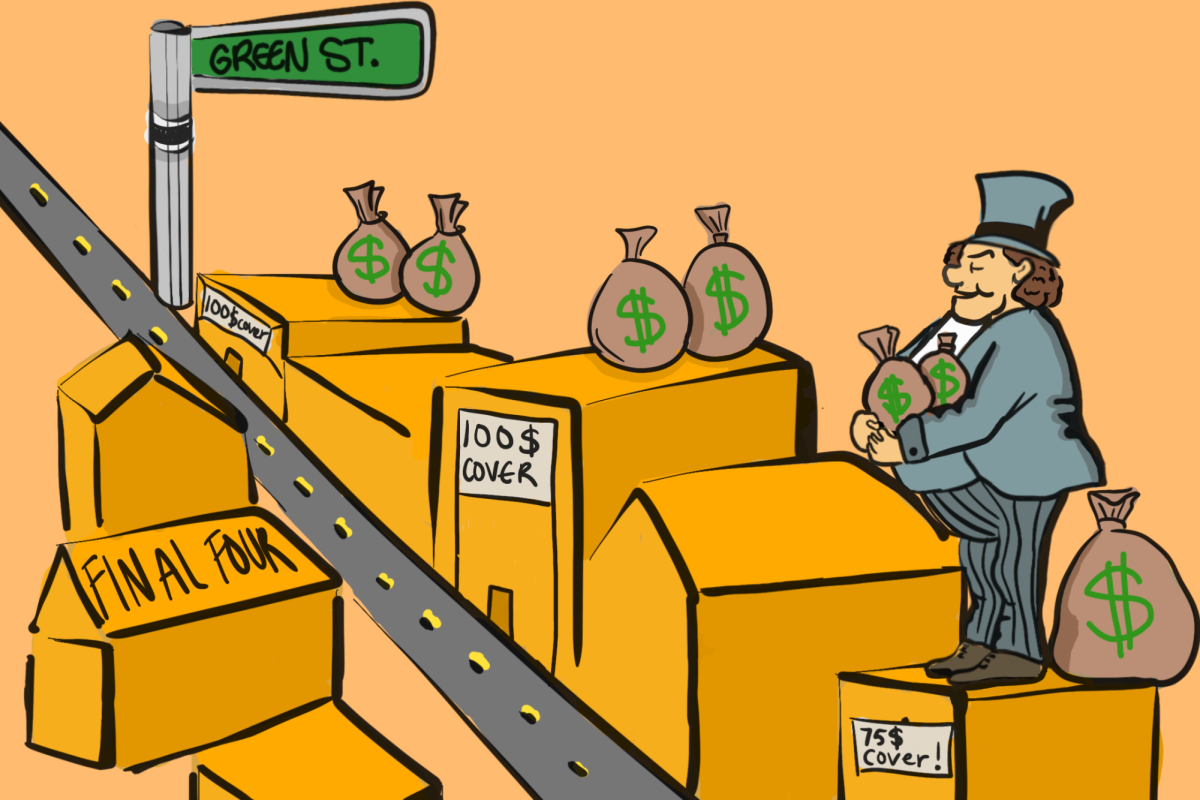
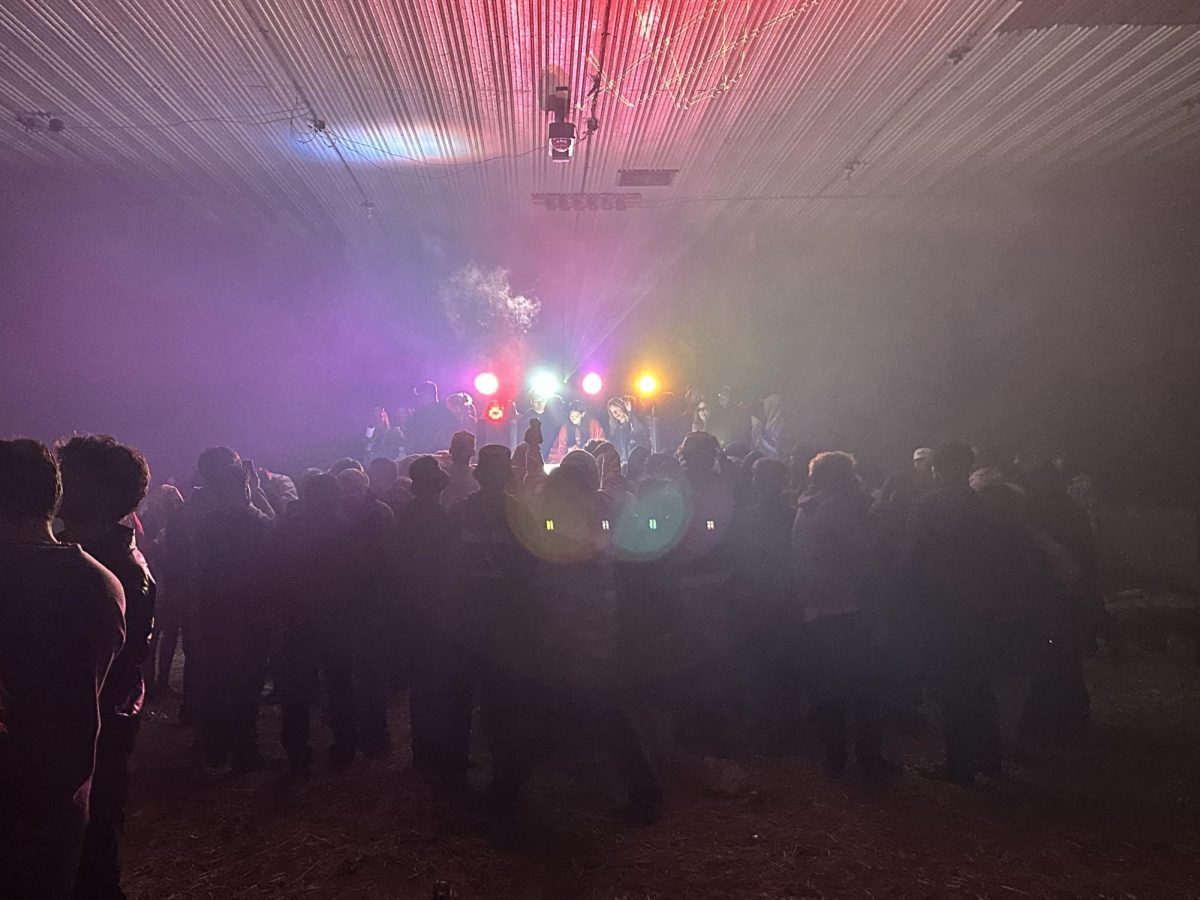
If this was also your first instinct, you’re definitely not wrong. I’ll use the house show scene as an example, as it’s a characteristic of my neighborhood. Even though they’re an institution that keeps Urbana weird and fun, it’s hard to imagine DIY shows are always a welcome aspect of the neighborhood for residents, even if they end at a reasonable time — and especially if they don’t.
This has a name in the literature: “studentification,” a term coined by Darren Smith, professor of geography, at Loughborough University to describe the urban change sparked by concentrations of students. In other words, it’s like gentrification, if the gentrifiers were overwhelmingly broke college students whose presence is heralded by an increase in rental houses and not by a Starbucks.
There are some real concerns associated with studentification, notably how rising property values and increased demand for student rental housing could drive up rent and displace long-time residents. At the University of Maryland’s National Center for Smart Growth Research and Education, researchers tracked how this plays out in College Park, where owner-occupied housing fell by 21% between 1980 and 2023 as rentals expanded.
However, according to the Bureau of Economic Analysis, Champaign-Urbana’s cost of living is about 9% below the national average, with housing more than 30% cheaper — so this story doesn’t track. In College Park, that’s displacement. In Urbana, the dynamics are subtler.
The best way to talk about studentification in the C-U case is through thinking about the quieter trade-offs between students and permanent residents. My roommates and I pay what I like to call the “far tax” — living away from campus action in exchange for trees, brick streets and a quieter neighborhood that’s still close to the house show scene. It’s bliss, but bliss is an irksome 15-minute bike ride away.
My neighbors pay the “noise tax.” They get the upside of living near the University and all that brings: sports, festivals, concerts and being surrounded by higher education as an institution, instilling the importance of learning (hopefully). But the tradeoff is real: less peace and quiet and the constant risk that a weeknight will be hijacked because someone decided to throw a “BRAT” night.
There’s a kind of symbiosis here. We enjoy neighborhood amenities; they enjoy the amenities we provide just by being here. These are byproducts of existence, not personal favors.
But the human element matters. And the onus ultimately falls on us college students to conduct ourselves appropriately when student activities bleed into residential neighborhoods, whether it’s house parties or DIY shows. There’s no observable friction as I write this, but what would us being worse look like?
In my head, I imagine the destruction of property — knocking over mailboxes, trampling gardens and increased general obnoxiousness — as the escalation. This disrespect for people’s lives can displace people who were here first and whose world we’re guests in.
History is full of stories where temporary settlers mistake themselves for permanent ones. For our scope, the worst it gets is the odd busted mailbox and someone deciding to move away. Elsewhere, it’s a matter of lives and forced migration.
I don’t usually think about the audience when I write these columns, but this one feels especially inward. As graduation nears, I look across the street and feel the contrast. I’ve spent more time in C-U than in my hometown these past three years, but I wouldn’t deign to call it home.
Still, I don’t feel bad for playing house in my last year here. That comes with the territory. From my porch, I watch the family across the street settle in for a lifetime, while I settle in for a season. Almost a life — and for now, that’s enough.
Raphael is a senior in ACES and should probably water his plants.