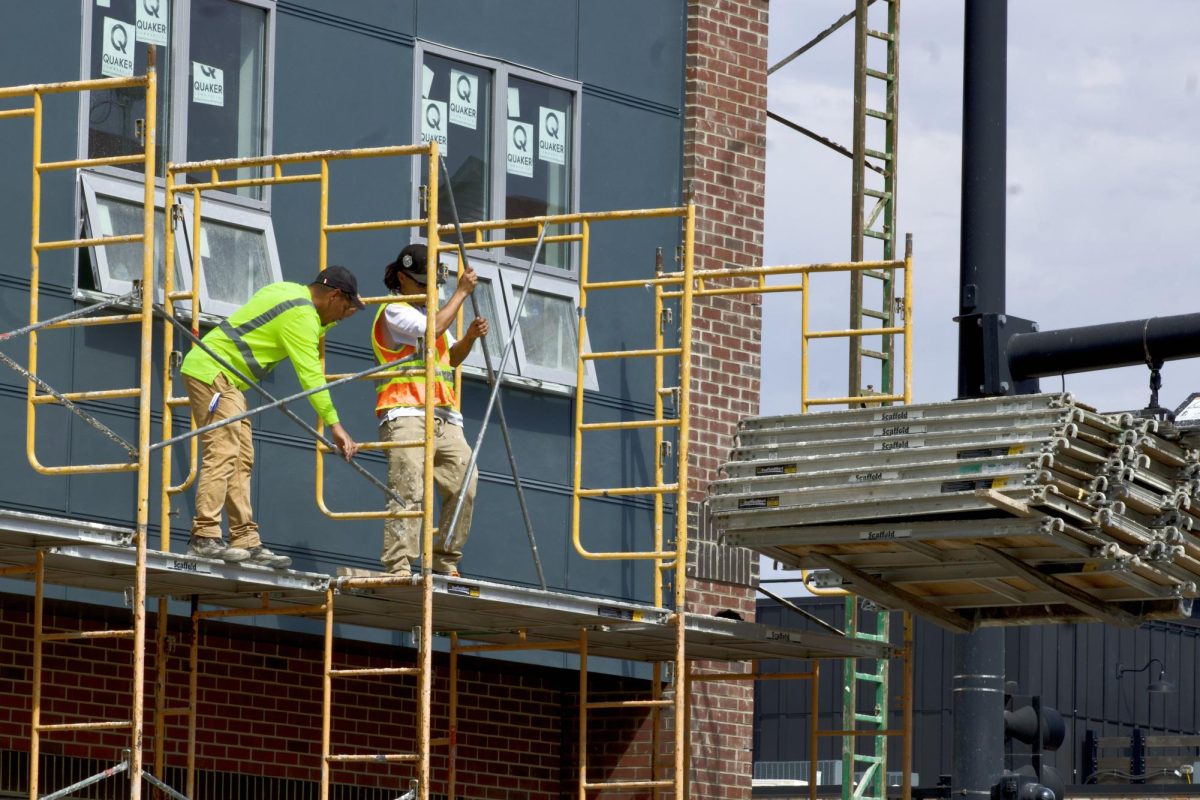
The last time you passed a construction crew or saw a crane in Campustown, you probably did not think about tariffs. And while tariffs may not show up directly in the price of your apartment lease, their impacts — experts say — may be seen in other ways.
In June, President Donald Trump doubled tariff rates on steel and aluminum from 25% to 50%, affecting the construction and manufacturing sectors, both of which rely heavily on the metals.
More recently, the Department of Commerce added 407 items to the list of “derivative” aluminum and steel products covered in the Section 232 sectoral tariffs restored in February.
The action extends the reach of the tariffs, as steel or aluminum derivatives — the steel or aluminum contents within products — will also be subject to higher rates. As a result, the steel and aluminum content of products like mobile cranes, bulldozers and other heavy equipment will be subject to a duty rate of 50%.
Tom Hagensick, senior project manager at Fairlawn Real Estate — the parent company of Smile — shared his experience managing construction projects since the increased tariffs took effect.
Get The Daily Illini in your inbox!
“At this point, it’s somewhat difficult to determine if any changes in our material costs were affected by the overall tariffs that were implemented, or if (they are) just a result of inflation,” Hagensick said.
Hagensick explained that wholesalers may stockpile their inventory, giving them the ability to hold a set price for some duration of time in anticipation of market fluctuations.
“Other wholesalers might take advantage of that situation because of supply and demand; they might have front-loaded their inventory so that they would have enough materials in case there’s a shortage, and then they can bump up their costs because there’s a demand for them,” Hagensick said. “It’s not as cut and dry as you would think.”
He detailed that pricing changes could be the result of various factors, and it can be difficult to distinguish between the impact of tariffs and natural shifts in the market.
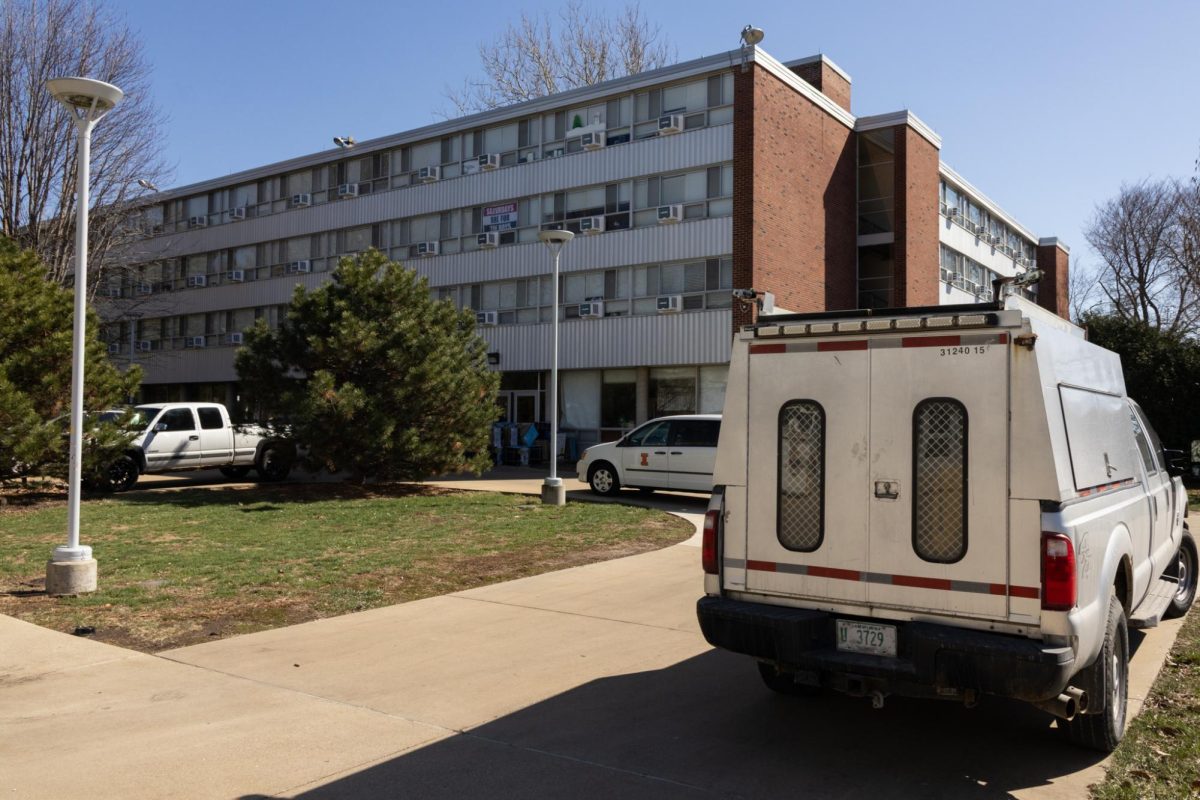
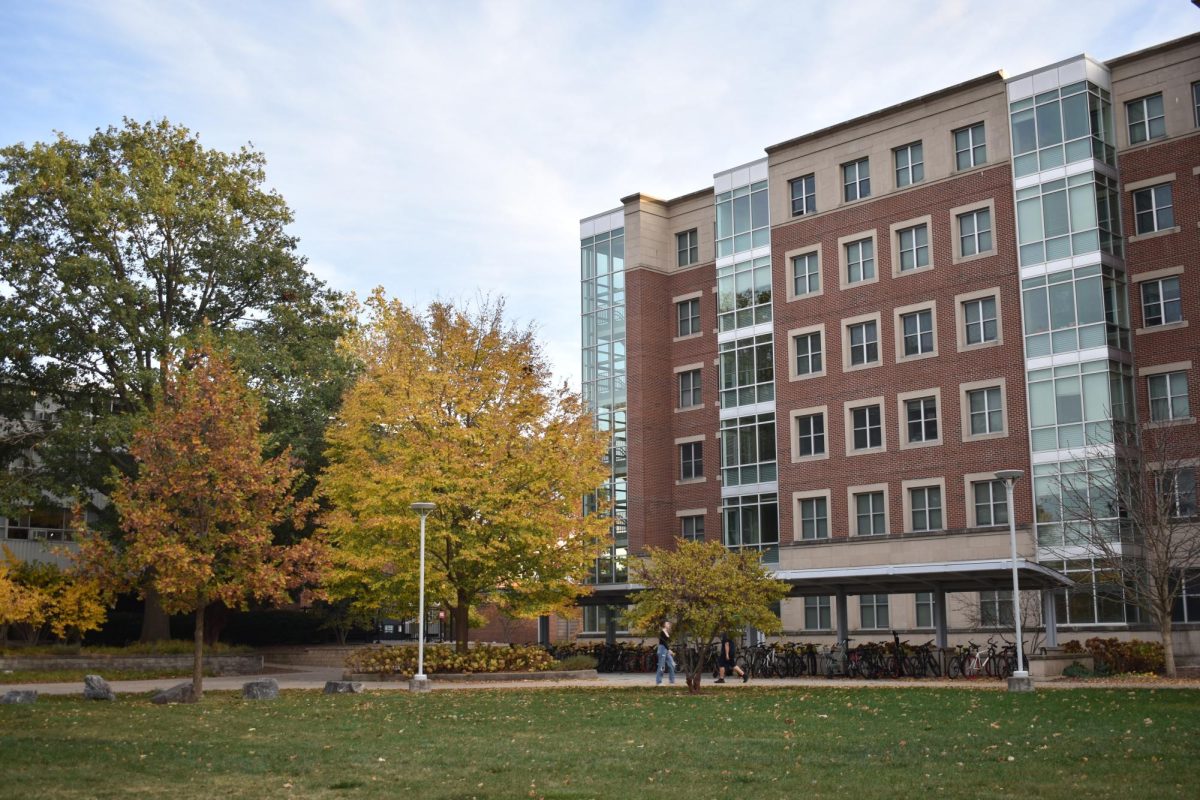
In the 2024-25 school year, the University spent over $8 million in housing projects. This included updates to the lounges at Busey-Evans, Blaisdell and Carr halls, and the expansion of PAR’s interior lobby, among others.
According to the University website, Hopkins and Weston halls lobbies are next to be renovated, and plans to develop individual-use restrooms in FAR have begun.
Geoffrey J.D. Hewings, professor emeritus in FAA, explained that if contracts between the University and the supplier have not been officially signed, there is potential for tariff impacts.
“Those impacts can mean a couple of things,” Hewings said. “One, if steel tariffs are in place, this is going to bid up prices on all steel, because local suppliers will see they have an opportunity to raise their prices … So it’s an indirect effect of the tariff changing the market structure. And this is one of the problems that is very, very difficult to follow.”
In a recent interview with The Daily Illini addressing the housing shortage, Chris Axtman-Barker, associate director of communications and marketing for University Housing, mentioned the University’s long-term plan to construct a new residence hall.
In a later email statement, he wrote that it is unlikely the project will be delayed or scaled back as an immediate result of the tariffs.
“University Housing and Facilities & Services are constantly working together to make sure that we adjust for changes in market conditions,” Axtman-Barker wrote. “The most likely way a delay would result from rising costs, for University Housing, would be after cost estimation.”
Axtman-Barker further wrote that as construction projects progress, they receive a final cost estimate. If the estimate totals to be much higher than the campus unit has budgeted for, the project would get delayed until it receives more available funding.
“As with any challenge the U of I and University Housing face, we will put students first,” Axtman-Barker wrote. “It is always our goal to create spaces where students have transformational experiences that can change their lives — students join new groups, learn life skills, and meet their new best friends in our residence halls. That doesn’t change, no matter the economic conditions.”
The Trump administration says the policies will promote American-made steel and aluminum, but critics warn of inflated costs. For future campus construction, this means projects may face higher price tags — and the University will need to consider how to keep building while maintaining affordability for students.