Rating: 8/10
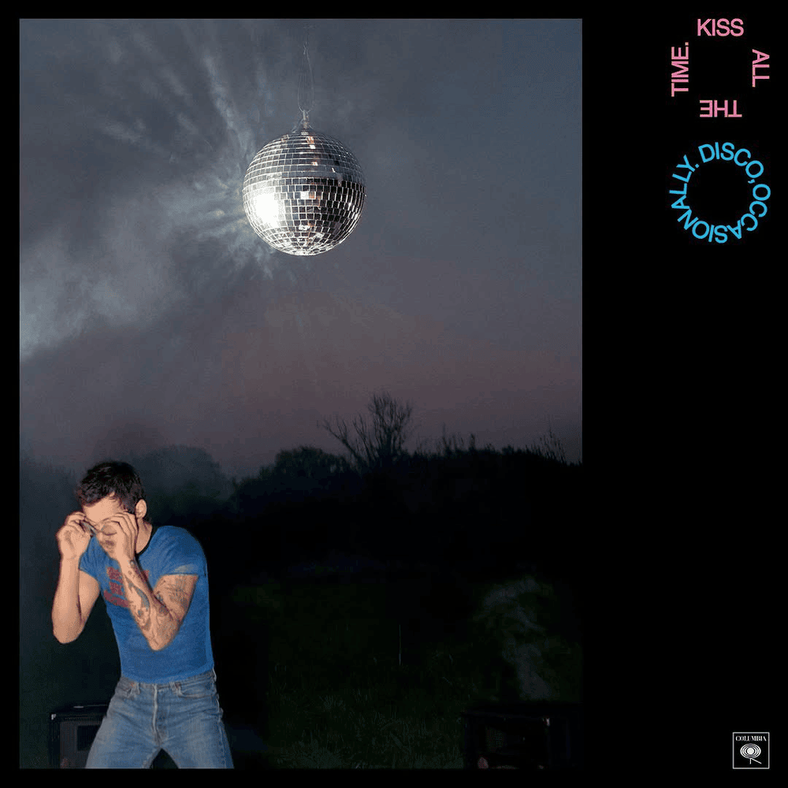
After a five-year hiatus, Bon Iver returned to the music scene last Friday with its release of the long-anticipated album “SABLE, fABLE.”
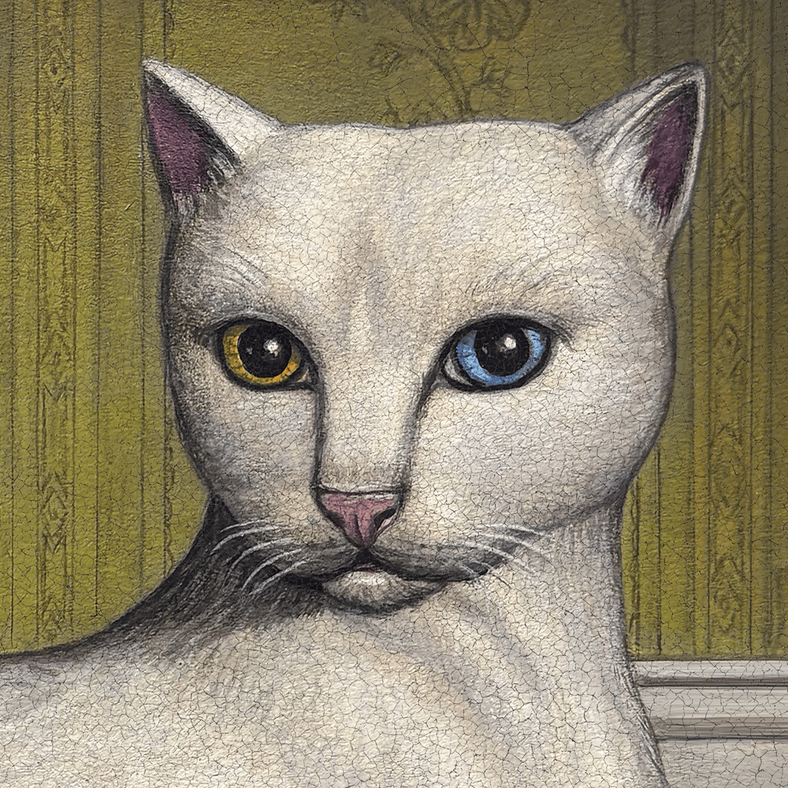
This LP showcases the band’s evolution, blending their acoustic roots with contemporary R&B, pop and soul. “SABLE, fABLE” is sonically fresh, and Bon Iver’s lyrical and technical ability solidifies that the band deserves its flowers.
Bon Iver found critical success after the release of their album “For Emma, Forever Ago” in 2007. That first album was written and recorded in a remote cabin in Wisconsin, away from studio executives or the millions of fans Bon Iver boasts today.
Get The Daily Illini in your inbox!
Since the release of “For Emma, Forever Ago,” Bon Iver’s collaborations with artists like Taylor Swift and Kanye West have garnered two Grammy wins and billions of streams, a far cry from the rural cabin from which they originated.
The first four tracks that make up the “SABLE” portion of the album contain the sonic and lyrical elements the band debuted with. During the start of the pandemic, the lead singer, Justin Vernon, returned to that same Wisconsin cabin to reflect on the 15 years of fame and album releases.
Vernon also recently separated from his partner and was feeling a flurry of emotions associated with his breakup. In this retreat, Vernon told The Guardian that he asked himself the “hard questions,” and the answer he came to was “SABLE, fABLE.”
“SABLE” opens with an instrumental and soon fades into “THINGS BEHIND THINGS BEHIND THINGS,” which addresses the spiraling nature of anxiety.
Vernon sings, “I can’t go through the motions/ I can’t go through the motions” against the harsh backdrop of violin picking and a repetitive beat.
The third track, “S P E Y S I D E,” is raw and emotional, and contains deep lyrical meaning that echoes the self-reflection that Vernon has spoken on before. This track is grief in full force, and Vernon confronts his breakup outright.
He sings in a somber, baritone voice, “Nothing’s really happened like I thought it would.”
“S P E Y S I D E” transitions immediately into “Awards Season,” which hangs the listener in a sense of limbo with its dense instrumentals and metaphorical lyrics.
Before the listeners can thoroughly confront these emotions, the “fABLE” portion of the album comes into transition, and moves us away from the deep introspection and towards hope for the future.
Vernon stated on Bon Iver’s website that this part of the album is “when the clouds break.” When they do indeed break, the listener is greeted with rich instrumentalization achieved by enhanced synths and soul-inspired riffs.
In the sixth track, “Everything is Peaceful Love,” Vernon accepts the things he can control and those that he can’t. Bon Iver is over the contemplation and is now ready to show hope with a new sound.
Collaborations with artists like Dijon on “Day One” and Danielle Haim on “If Only I Could Wait” provide a sounding board where Vernon expresses his emotions, from what he has lost and gained from fame.
“From” is a standout track, which blurs genres and leans into Bon Iver’s experimental side. Mk.gee, who is known for his boundary-pushing work in the indie-pop and rock genres, is credited as a co-writer on this song and melds synth-heavy grooves with Bon Iver’s lyrical road to acceptance.
Vernon sings, “I wasn’t looking for closure/ But you gave me something close”, which is amplified by an animated guitar run from Mk.gee.
The final track, “Au Revoir,” which translates to “goodbye until we meet again” in French, speaks to what Vernon has teased for many years. Recently, he stated that he “might peace out” after this release and has no aspirations of touring the new album. One can’t help but hope that he doesn’t stay true to these statements and returns for a sixth release.
Even if it is goodbye, it is a graceful one. “SABLE, fABLE” isn’t just a summary of all that Bon Iver has been, but an arrival that the band has come to in its two decades of existence.
That final destination is filled with ideas of a complex peace, hope for the future and an appreciation of the past. If “SABLE, fABLE” can prove one thing, it is that Bon Iver has never been afraid to reveal who they are, and there is hope in the unknown for what they could be.