Since the inception of the National Panhellenic Conference, sororities promised sisterhood — but not to everyone. Today, the organization faces pressure to confront that legacy and establish the true meaning of inclusivity.
According to the DEI statement on the Illinois Panhellenic Council website, the organization is dedicated to breaking down systemic barriers that oppose modern practices of diversity, equity, inclusion and accessibility.
At the University, sorority leaders and chapter members participate in and implement inclusion practices, working from the inside of a system fixed in tradition.
Alex Woodruff, sophomore in LAS and chair of inclusion for Alpha Omicron Pi, uses a resource that the chapter calls the Bias Interruption Toolkit. This toolkit takes the form of a slideshow created specifically for the chapter. It is tailored to encourage members to politely interrupt discussions and address potentially biased statements during recruitment discussions.
“You’re keeping yourself accountable, and you can use a partner to keep you accountable,” Woodruff said. “It’s more about calling in, not calling out, through conversation.”
Get The Daily Illini in your inbox!
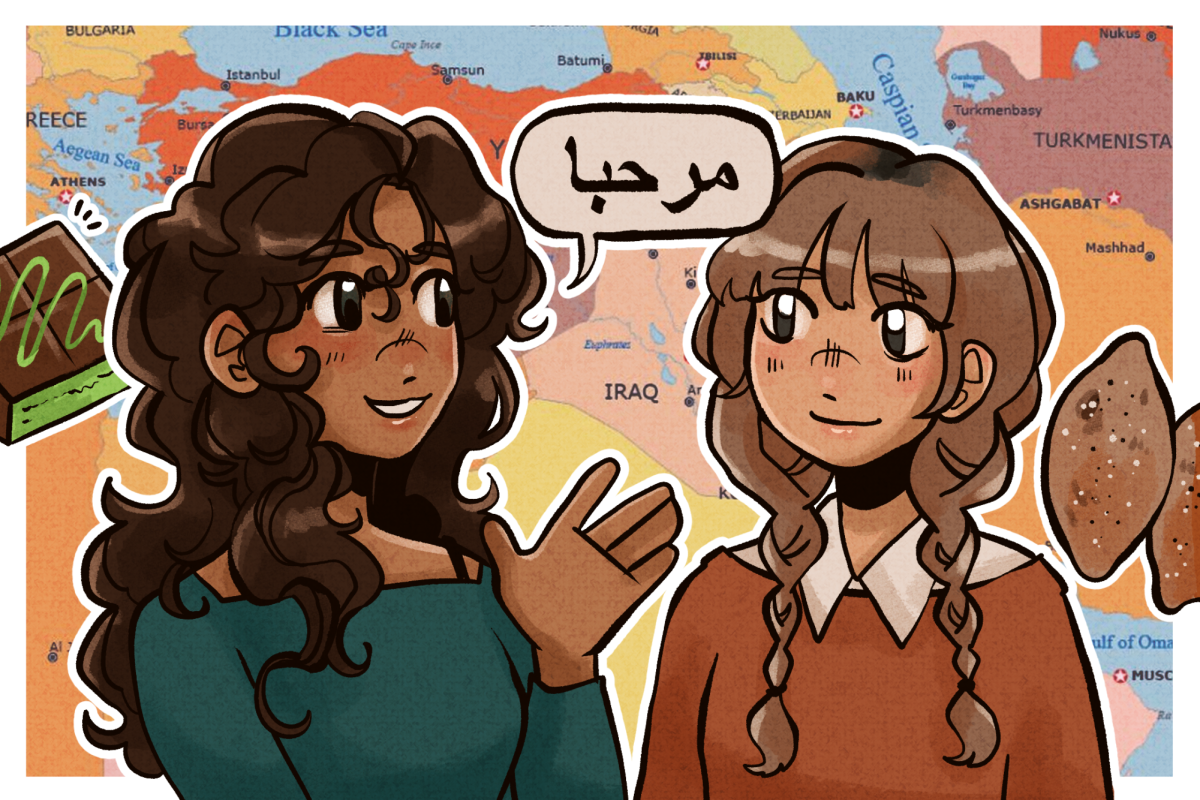
Anjali Kumar, junior in LAS, member of Kappa Kappa Gamma and student body vice president, said one of her sorority’s efforts towards inclusivity is a weekly presentation called “Culture Map,” which she described as putting a spotlight on different cultures during their weekly chapter meeting.
The impact of efforts like these extends to the beliefs of individual members themselves. Kumar offers her perspective on a perceived shift in the Panhellenic community from exclusive to inclusive.
“Panhellenic has become such a diverse community — not just based on where you or your parents are from, but also linguistically, in your background and even in socioeconomic level,” Kumar said.
While the office of Fraternity and Sorority Affairs does not publicly release any data on the racial demographics of each sorority on campus, the DEI statement from Panhellenic’s website also acknowledges “historical exclusions within our community … (and) the perpetuation of a homogenous culture.”
For some sororities, many DEI-related leadership positions have only been implemented in the last few years. This can cause their responsibilities to vary widely across chapters. This inconsistency can raise questions about whether these roles are simply performative or implement meaningful change.
“People kind of saw it as an easy executive position, but I’m trying to shift that,” said Brianna Parziale, sophomore in FAA and vice president of DEI for Alpha Phi.
This semester, Parziale is working toward hosting a social event with one of the chapters of the Black Greek Council or organizing a trip to its annual StepDown show.
“DEI is a buzzword, and that’s why me and my adviser have been trying to say the words diversity, equity, inclusion and defining what it means,” Woodruff said.
Despite efforts to clarify DEI, some members may find the topic awkward or irrelevant.
“It’s sort of a topic that some people feel a little bit uncomfortable talking about, it’s just not, unfortunately, something people would consider to be important in a sorority,” Parziale said.
To address this, Parziale’s chapter implemented inclusive language training for this year’s formal recruitment to foster a more welcoming environment.
Recruitment, one of the most recognizable Panhellenic traditions, is not free from exclusion. A clear example is the advantage of those who have legacy status, which applies to daughters of alumni and often to anyone with personal ties to the chapter.
“Historically, it’s attracted mostly people who come from wealthier families, or who had parents that were in Greek life,” said Parziale.
Although Panhellenic posted a statement to parents emphasizing mutual fit over family ties, each chapter has its own legacy policy. No larger policy or framework from the Panhellenic Council regulates how many legacies vs. non-legacies a sorority can choose.
Historical exclusions also extend to the various fees and expenses that come with being in a sorority, according to Parziale.
“It doesn’t really attract people who haven’t had those resources or the ability to be in a sorority,” Parziale said.
Specific financial information, such as the cost of dues for each chapter and other related fees, is not publicly released for the University’s Panhellenic sororities.
The FAQ page for the Panhellenic website provides a rough estimate of the average cost of sorority dues. The website also details that the cost of signing up for primary recruitment is $65.
During Illinois’ formal recruitment, each chapter distributes fact sheets detailing how much their chapters cost. This allows potential new members to see for themselves how much their houses of interest cost in terms of dues, housing and other expenses.
In light of these systemic barriers, Kumar says that sororities on campus should constantly aspire to improve their knowledge and application of inclusivity practices.
“I think every sorority can stand to learn things from each other because we’re all so different,” Kumar said. “There are always things that we can all improve on.”
Despite this, members affirm that above all else, the lasting impression of the sorority experience lies in the individuals themselves.
“I don’t like to think about sororities as joining ‘letters,’” Woodruff said. “I like to think about it as joining people.”